
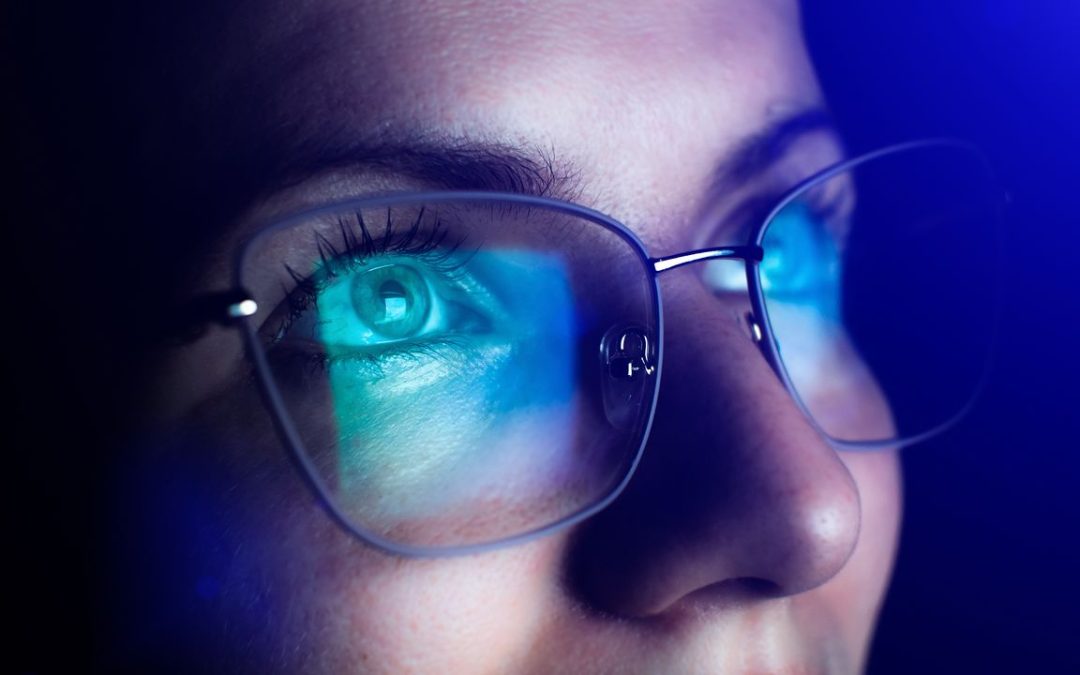
Between work, video calls, and the evening scroll, most of us spend more hours facing a screen than almost anything else. It is fair to wonder what that is doing to your complexion. When it comes to screen time and skin, the internet offers a mix of real concerns and exaggerated claims. At Le Caprice Medical Spa in Orinda, clients ask us about this often, so here is what is well supported, what is less certain, and what you can do about it.
Blue Light: What the Evidence Actually Says
Screens emit a small amount of high-energy visible light, commonly called blue light. The amount is far lower than what reaches your skin from the sun, and for most people sun exposure remains the main cause of dark spots, texture changes, and early lines.
The exception worth knowing about is pigmentation. Research suggests visible light can deepen dark patches in skin that is prone to hyperpigmentation or melasma, particularly in medium to deeper skin tones. Most of that research uses light stronger than a typical screen, but if you already struggle with stubborn discoloration, it is reasonable to take precautions. A tinted mineral sunscreen containing iron oxides is the most practical option, since iron oxides are one of the few ingredients that block visible light. Many of us work near sunny windows in the Bay Area, where daylight adds to the exposure, so daily sunscreen makes sense indoors as well.
The Everyday Effects You Can Actually See
Some of the changes linked to screens have less to do with light and more to do with habits:
- Phone-related breakouts. Pressing a phone against your cheek and jaw combines friction, warmth, and bacteria, a reliable recipe for breakouts along that line. Wipe your phone daily and use speaker mode or earbuds when you can.
- Squint and frown lines. Leaning toward a screen makes many of us squint or furrow our brows without noticing. Repeated over thousands of hours, this can deepen the lines between the brows and around the eyes.
- Tired-looking eyes. Blinking drops significantly during focused screen use, which dries the surface of the eye and can leave the area around it looking fatigued.
- Tech neck. Looking down for hours strains the neck and jaw. The evidence for permanent neck lines is still limited, but posture does influence how the neck and jawline appear.
Video calls deserve a mention too. Spending hours looking at your own face on camera makes many people more critical of their skin, and a webcam combined with harsh overhead lighting exaggerates texture and shadows. A soft light source in front of you, rather than above, is both more flattering and a more accurate picture of how your skin really looks.

Screen Time and Skin: The Sleep Connection
The most meaningful link between screen time and skin may be indirect. Bright screens late in the evening can delay the release of melatonin and push bedtime later. Because skin does much of its repair overnight, shorter or lighter sleep tends to show up as dullness, puffiness, and slower recovery. We explored this in our article on the science of beauty sleep.
Constant notifications add another layer. The steady low-level stress of being always reachable affects skin as well, a connection we covered in our piece on stress and skin health. If you change only one screen habit, make it the last hour before bed.
Simple Habits That Make a Difference
None of these require giving up your devices, and most take less than a minute:
- Follow the 20-20-20 rule. Every 20 minutes, look at something 20 feet away for 20 seconds. It rests your eyes and relaxes your forehead.
- Raise your screen to eye level so your neck stays neutral and you stop leaning in.
- Use night mode and set a cutoff. Put devices down 30 to 60 minutes before bed.
- Choose a tinted mineral sunscreen with iron oxides if pigmentation is a concern.
- Keep a hydrating moisturizer and gentle eye cream within reach of your desk.
- Wash your hands before touching your face, and wipe your phone daily.

When to Seek Professional Guidance
If breakouts keep appearing on one side of your face, or redness and new pigmentation persist despite these changes, a professional assessment can help identify the cause. A personalized skin analysis at Le Caprice is a useful starting point. For concerns about the neck and jawline, our guide to non-surgical skin tightening explains the options available.
Our estheticians see how modern habits show up on skin every day. Bring a note of when your concerns began and what a typical day looks like for you, and the conversation becomes far more useful.
Screens are part of modern life, and your skin does not need you to give them up. A few small, consistent habits are usually enough to keep it calm, clear, and well rested.