

Almost everyone has noticed it. A deadline looms, a family stretch gets demanding, or a few weeks go by without a real break, and the skin starts reacting: a breakout along the jaw, a flush of redness, a complexion that looks tired no matter how much water you drink. At Le Caprice Medical Spa in Orinda, clients ask about this connection often, and the answer is yes. The link between stress and skin health is real, measurable, and worth understanding.
What Stress Actually Does to Your Skin
When you feel under pressure, the body releases cortisol, a hormone designed to help you respond to short-term challenges. In brief bursts it is useful. The trouble begins when stress becomes constant and cortisol stays elevated, because the skin is one of the first places that shift becomes visible.
Elevated cortisol is associated with increased oil production, which can clog pores and contribute to breakouts. It also promotes low-grade inflammation, the same process behind redness and irritation, and it can slow the skin’s ability to heal. Over longer periods, chronically high cortisol has been linked to faster breakdown of collagen, the protein that keeps skin firm, which is one reason a demanding year can show up on the face in ways that rest alone does not immediately reverse.
Stress also interferes with sleep, and that compounds the effect. A restless night raises cortisol the next day, and a skin that is already inflamed has less time overnight to repair itself. Left unchecked, the two feed each other, which is why a short stretch of pressure can leave the complexion looking drawn for weeks.
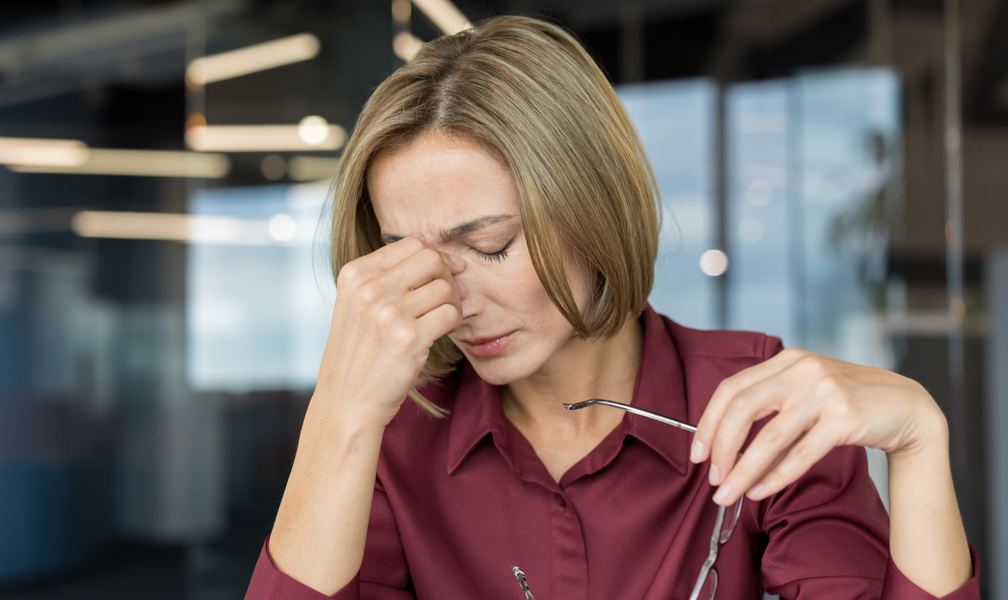
How Stress Shows Up on the Skin
Stress rarely affects everyone the same way. It tends to amplify whatever your skin is already prone to, which is why two people under the same pressure can have very different reactions. Common signs include:
- Breakouts, particularly when oil production rises and healing slows
- Flare-ups of redness, rosacea, or eczema in skin that is already reactive
- Dullness and dehydration, as a weakened barrier struggles to hold moisture
- Sudden sensitivity to products the skin normally tolerates
Behavior plays a role too. Under pressure, skincare routines get skipped, makeup stays on overnight, sleep suffers, and picking at blemishes becomes an unconscious habit. Each of these adds to the problem, creating a cycle where stress affects the skin and the way the skin looks adds to the stress.
Why the Skin Barrier Is the Key
The outermost layer of the skin acts as a protective barrier, keeping moisture in and irritants out. Stress weakens it and slows its recovery, which is why skin under pressure so often feels both oily and dry, tight and sensitive, all at once. A compromised barrier also reacts to products that were never a problem before, so the instinct to add more serums, acids, or treatments to fix a flare-up can make things worse. Supporting the barrier, rather than attacking the symptoms, is almost always the better first move.
What Actually Helps
The most effective response to stress-affected skin is usually simpler than people expect.
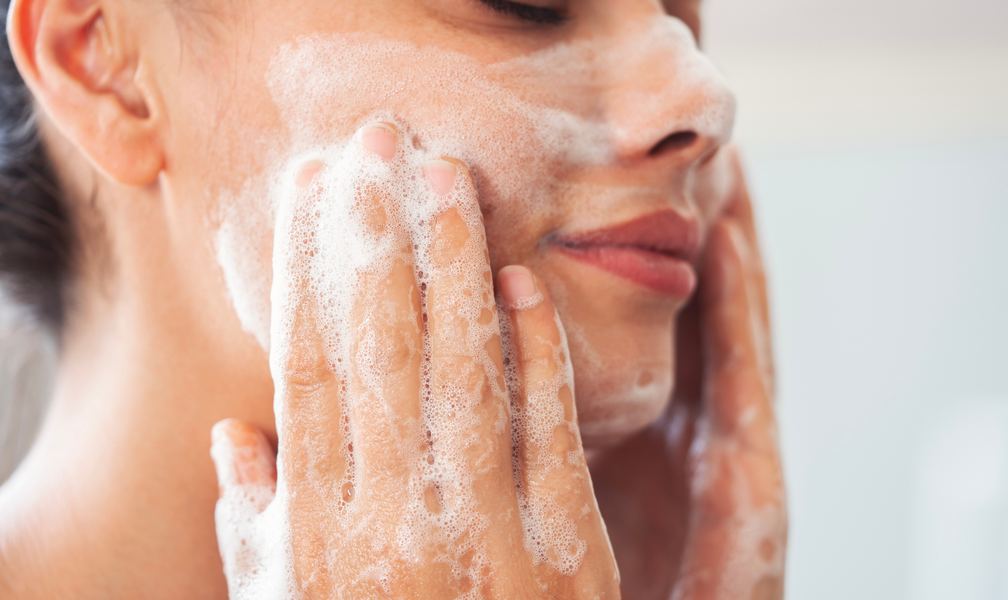
- Simplify the routine. A gentle cleanser, a good moisturizer, and daily sunscreen cover the essentials. Pause new products while the skin is reactive.
- Ease off strong actives. Retinoids and exfoliating acids can aggravate a stressed barrier, so scale back until the skin settles.
- Keep your hands off. Picking prolongs healing and raises the risk of lasting marks.
- Protect your sleep. Overnight is when skin does much of its repair work, as we explored in our piece on the science of beauty sleep.
- Move your body. Regular exercise helps regulate stress hormones. Just cleanse the face soon after sweating.
- Build in small resets. Even five minutes of slow breathing or a short walk reduces the stress response, and the skin tends to follow.
Nutrition matters as well, since a varied diet with steady blood sugar supports the skin’s resilience.
How Long Does Recovery Take?
Skin renews itself roughly once a month, and more slowly with age, so improvement after a stressful period tends to be gradual. Many people feel the barrier calm down within a couple of weeks of simplifying their routine, while breakouts, tone, and texture can take longer to settle. Consistency matters more than any single product, and patience is part of the treatment. This is worth remembering in the fall and through the holiday season, when work, family, and travel often raise the pressure just as the weather starts to dry the skin out.
When to Seek More Support
Stress-related skin changes usually settle once the pressure eases and the routine is simplified. If breakouts persist, if flare-ups keep returning, or if you notice lasting texture or tone changes, professional guidance can help. For breakout-prone skin, a gentle approach like an Acne Enzyme Facial can calm congestion without the irritation of harsher treatments, and a personalized skin analysis is a useful way to understand what your skin needs right now, instead of guessing.
You cannot remove stress from your life, but you can keep your skin from bearing the full weight of it. A calm, simple routine and a few steady habits will do more than any new product added in a panic.